
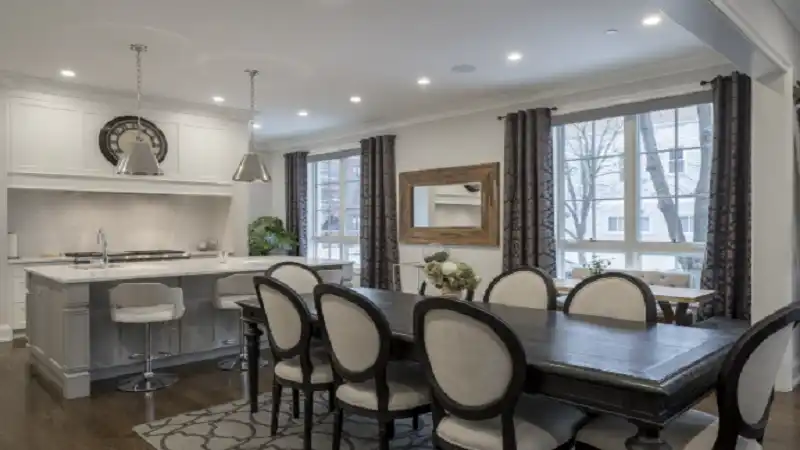
A home does not have to be large, expensive, or newly built to feel comfortable and well designed. In many cases, thoughtful interior improvements can make a bigger difference than a major renovation. Better lighting, smarter storage, more practical furniture placement, and carefully chosen finishes can change the way a home looks and functions without requiring a complete transformation.
The key is to focus on improvements that solve everyday problems. A room that feels cramped may need better organisation rather than more furniture. A dark space may benefit from layered lighting instead of expensive structural changes. A kitchen that feels inefficient might simply need a better layout or additional storage.
For homeowners looking to make meaningful changes, practical home improvement guidance can help turn individual ideas into a more coherent plan.
Start With How You Use the Space
Before buying anything or changing a room, think about how the space is actually used.
A living room may need to accommodate family time, entertaining, reading, or working from home. A bedroom may need better storage and a calmer atmosphere. A kitchen has to support cooking, preparation, cleaning, and often socialising at the same time.
Design decisions become easier when they are based on real routines rather than photographs or temporary trends.
Ask yourself:
- What is currently inconvenient?
- Where does clutter accumulate?
- Which areas are rarely used?
- Is there enough storage?
- Does the lighting work throughout the day?
- Does the furniture make movement difficult?
The answers can reveal which improvements deserve priority.
Improve Lighting Before Changing Everything Else
Lighting has an enormous influence on how an interior feels.
A room with attractive furniture can still appear uncomfortable if it is poorly lit. Instead of relying on a single ceiling fixture, consider combining different sources of light.
Use Layers of Light
A practical lighting scheme can include:
- Ambient lighting for general illumination
- Task lighting for reading, cooking, or working
- Accent lighting for decorative features
- Natural light wherever possible
Floor lamps, wall lights, under-cabinet lighting, and table lamps can introduce flexibility without major construction.
In kitchens, task lighting is particularly valuable because work surfaces need clear illumination. In bedrooms and living rooms, warmer and softer lighting can create a more relaxing atmosphere.
Make Storage Part of the Design
Clutter is one of the fastest ways to make a home feel smaller.
However, adding more cabinets is not always the answer. Good storage should be designed around the objects you actually own and the way you use them.
Use overlooked spaces such as:
- The area beneath beds
- The backs of doors
- Vertical wall space
- Empty corners
- Space above cabinets
- Narrow gaps between furniture
Built-in shelving can be useful in some homes, while modular furniture may be a better choice for renters or people who frequently rearrange their interiors.
The goal is not to hide everything. It is to give frequently used belongings a logical place so that everyday organisation becomes easier.
Rethink Furniture Placement
Furniture placement can completely change the experience of a room.
Pushing every piece against a wall may seem like the obvious way to create more floor space, but it can sometimes make a room feel disconnected. Instead, consider creating clear zones.
For example, a large living room might include a conversation area, a reading corner, and a small workspace. These zones can be defined through rugs, lighting, furniture orientation, or subtle changes in colour.
Movement should also remain easy. People should not have to navigate around unnecessary obstacles simply to move between rooms.
Choose Colours With the Whole Room in Mind
Colour is another relatively affordable way to change an interior.
Light colours can help some small spaces feel brighter, but that does not mean every small room needs to be white. Soft greens, warm neutrals, muted blues, and other restrained shades can create depth without overwhelming the space.
Rather than selecting colours individually, consider how walls, flooring, furniture, curtains, and lighting will interact.
A simple palette with one or two accent colours often creates a more cohesive result than using several unrelated shades.
Give the Kitchen a Functional Upgrade
The kitchen is one of the areas where small improvements can have an immediate practical impact.
Before considering a complete renovation, look at the way the room works.
Can frequently used items be moved closer to the preparation area? Is the worktop crowded? Are cabinets difficult to access? Does the lighting leave shadows over important work surfaces?
Simple changes such as drawer organisers, improved task lighting, additional shelving, updated handles, or better appliance placement can improve the experience considerably.
Homeowners planning a larger kitchen project should also think about durability, workflow, storage capacity, and maintenance rather than focusing entirely on appearance.
Create a More Useful Home Office
Working from home has made flexible spaces increasingly important.
A dedicated office is ideal, but it is not always necessary. A quiet corner of a bedroom, living room, or spare room can become a functional workspace with the right setup.
Prioritise:
- Comfortable seating
- Appropriate desk height
- Adequate lighting
- Cable management
- Accessible storage
- Minimal visual distractions
A workspace should support concentration without making the rest of the home feel like an office.
Use Mirrors and Reflective Surfaces Carefully
Mirrors can make an interior feel brighter and visually more open by reflecting light and creating the impression of additional space.
Placement matters, though. A mirror facing an attractive view, window, or well-designed feature can enhance the room. A poorly positioned mirror may simply reflect clutter.
Reflective finishes can also be introduced through glass, polished surfaces, metallic details, or glossy cabinetry. These should be used selectively so that the room remains comfortable rather than overly reflective.
Upgrade Floors and Walls Strategically
You do not necessarily need to replace every surface to refresh an interior.
A single feature wall, updated paintwork, new trim, or carefully selected flooring can make an older room feel substantially newer.
When choosing materials, consider more than appearance. Durability, cleaning requirements, moisture exposure, household traffic, and long-term maintenance all matter.
For families and busy households, a beautiful material that requires constant maintenance may be less practical than a slightly simpler option.
Think About Energy Efficiency
Interior improvements can also contribute to a more efficient home.
Simple measures may include:
- Sealing obvious drafts
- Improving window coverings
- Using efficient lighting
- Choosing energy-efficient appliances
- Improving insulation where appropriate
- Making better use of natural daylight
Energy efficiency is not only about reducing utility costs. It can also improve comfort by helping rooms maintain more consistent temperatures.
Avoid Designing Around Short-Lived Trends
Trends can provide inspiration, but they should not control every decision.
A home is a long-term environment. Replacing expensive furniture or finishes every time a particular style becomes popular can become costly and wasteful.
A better approach is to create a timeless foundation and introduce trends through smaller, replaceable elements such as cushions, artwork, accessories, or paint.
This makes it easier to refresh the interior later without starting from scratch.
Build an Improvement Plan in Stages
Trying to change the entire home at once can quickly become expensive and overwhelming.
Instead, divide improvements into stages.
Start with problems that affect daily life. Then address improvements that increase comfort, storage, energy efficiency, or durability. Decorative changes can come afterward.
A simple priority system can help:
- Fix safety or maintenance problems.
- Improve daily functionality.
- Address storage and organisation.
- Improve lighting and comfort.
- Refresh finishes and decoration.
- Add personal details.
This approach keeps the project manageable and helps prevent unnecessary spending.
Final Thoughts
A successful interior is not necessarily the one with the most expensive furniture or the latest design trend. It is the one that works well for the people who live there.
Small changes can have surprisingly large effects when they are chosen thoughtfully. Better lighting can improve atmosphere, smarter storage can reduce clutter, and more effective furniture placement can make a room feel larger without changing its dimensions.
For homeowners looking for practical ideas covering everything from interior improvements and kitchen upgrades to broader renovation planning, The MintPalment offers a useful starting point for exploring different ways to make a home more comfortable, functional, and enjoyable.
The most valuable improvement is often not the most dramatic one. It is the change that makes everyday life noticeably easier. See more