
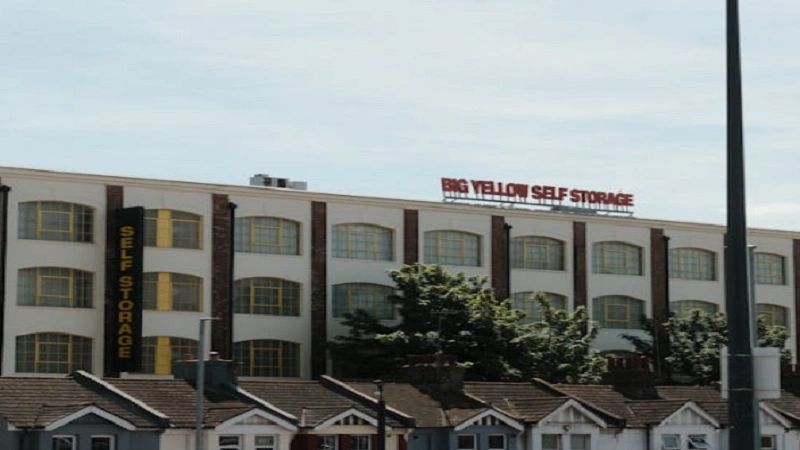
When choosing a nearby storage facility, a practical approach focuses on unit size, access needs, and local reputation. The writer recommends comparing climate control, security features, and hours before visiting top-rated sites. Budget and contract details matter as much as cleanliness and pest prevention. With a shortlist in hand, an on-site inspection will reveal which options truly meet those criteria and what to watch for next. Storage facilities near you offer convenient, secure, and flexible space solutions for storing personal or business items close to your location.
Quick Decision Framework: Which Storage Unit Should You Pick?
How should one quickly narrow choices when time and space are limited? A pragmatic checklist helps local renters compare unit size against belongings, prioritizing a slightly larger unit to avoid overpacking. Evaluate location convenience: proximity to home or route reduces trips and costs. Confirm facility hours, security features, and climate control availability to match sensitive items without overpaying.
Seek transparent pricing and short-term contracts for flexibility. Read recent local reviews to gauge management responsiveness. Weigh trade-offs between price and practical access; a cheaper, distant unit can cost more in time. Choose the option that balances size, convenience, and predictable costs.
Decide Storage Needs: Items, Duration, and Access Frequency
When evaluating storage needs, a clear inventory of items, expected duration, and how often access will be required helps renters match unit features to real-world use. Locally minded shoppers should perform item prioritization: note valuables, seasonal gear, and bulky furniture to decide size, climate control, and security needs.
Duration estimation informs whether short-term promos or long-term contracts are appropriate and whether items require extra protection. Access frequency dictates unit placement ground-floor or drive-up for frequent retrieval, climate-controlled interior for infrequent, sensitive storage Combining these factors enables confident selection of nearby facilities that balance convenience, protection, and practical value.
Set a Realistic Storage Budget
A practical monthly budget for storage starts by comparing local market rates, unit types, and additional services to the renter’s prioritized needs. The reader should list storage priorities size, climate control, access hours and assign dollar limits to each. Budget considerations include promotional rates, insurance, deposit, and expected seasonal increases; tallying upfront and recurring costs prevents surprises.
Prioritize must-haves versus nice to haves to choose the most cost-effective unit in the neighborhood. Regularly reviewing usage and negotiating moves or downsizes helps keep spending aligned with changing needs. Local comparisons guarantee the budget reflects real, attainable options.
Find Top-Rated Storage Facilities Near You
Where can renters find reliable storage that matches their budget and needs? A focused local search narrows options to nearby facilities, saving time and travel. Compare unit sizes, access hours, and climate control against personalized needs. Inspect facility ratings for security, cleanliness, and customer service prioritize consistently high scores.
Visit shortlisted sites to confirm written claims: check locks, lighting, pest control, and staff responsiveness. Ask about promotions, insurance, and flexible lease terms to align cost and convenience. Choosing top-rated, proximate storage reduces surprises and eases move-in logistics, delivering practical value and peace of mind.
Read Reviews Smartly and Spot Fake Feedback
How can renters separate trustworthy feedback from polished fiction? Local seekers should scan reviews for review authenticity: consistent details, dates, and mentions of neighborhood specifics signal real experiences. Spotting fake feedback involves watching for repetitive phrasing, overly generic praise, and many five-star bursts at once. Analyze feedback patterns timing, reviewer history, and responses from management to reveal anomalies.
Cross-reference multiple platforms and prioritize reviews that include photos, unit numbers, or clear operational notes. Use skepticism but remain pragmatic: patterns of repeated, detailed concerns across sources outweigh isolated complaints. This sharp, localized approach helps renters choose dependable storage with confidence.
Compare Storage Access & Convenience: Hours, Gates, and Loading
Although convenient hours and straightforward gate access might seem like small details, they determine how practical a storage choice will be for daily life. The guide evaluates access hours and peak times to match local routines, emphasizing location benefits like proximity to home, work, or transport options.
Facility layout matters: wide aisles, clearly marked loading zones, and sheltered bays speed moves. Gate security should be confirmed without delving into detailed surveillance measures here; it complements convenience factors such as 24/7 entry or limited weekend access. Prioritizing these elements helps residents select a storage site that fits schedules and reduces moving friction.
What to Check for Security When You Visit
Any potential renter should inspect visible security features during a site visit to verify the facility matches advertised protections and local risk levels. The visitor notes surveillance systems coverage, camera quality, and recording retention. They test access control gate codes, keypad responsiveness, and visitor logs and observe employee training through staff professionalism and security protocol clarity.
Evaluate lighting quality in lots and corridors, perimeter fencing integrity, and controlled entry points. Check fire safety measures: extinguishers, alarms, and clear evacuation routes. Ultimately, confirm insurance options and recommended coverage to guarantee belongings are adequately protected in that neighborhood.
Check Climate Control and Pest Prevention Options
After confirming security and fire protections, a prospective renter should assess climate control and pest prevention to protect sensitive items from humidity, temperature swings, and infestations common in the area. The writer recommends verifying unit temperature ranges, humidity regulation, and insulation suited to local climate impact especially in coastal, humid, or desert regions.
Inspect for sealed doors, elevated floors, and integrated pest control measures such as monitoring programs or contracted extermination. Ask facility managers about routine inspections, evidence of past infestations, and response protocols. Choosing units with reliable climate control and proactive pest control minimizes damage and preserves valuables over long-term storage.
Spot Hidden Fees and Contract Pitfalls Before You Sign
Where can renters find the extra costs that can turn a reasonable monthly rate into a costly commitment? Local shoppers should scrutinize insurance requirements, administrative fees, late-payment penalties, and deposits often buried in paperwork. Inspect contract terms for automatic renewals, rate increase clauses, and minimum rental periods that limit flexibility. Ask about access-hour charges, lock replacement costs, and cleaning or pest-control fees triggered on move-out.
Request a written fee schedule and confirm verbal promises in the lease. Comparing nearby facilities’ fine print reveals which operators disclose all costs upfront and which may surprise renters with hidden costs and restrictive contract terms.
Book, Move In, and Protect Your Stored Belongings
Schedule a unit tour and lock down the reservation to guarantee desired size and location within the facility. Then verify move-in logistics like access hours, elevator availability, and loading-dock policies. The local facility should be assessed for lighting, security cameras, and pest control. Staff can recommend packing tips and durable locks.
Organize belongings with clear labels and a simple inventory management spreadsheet or app to locate items quickly and support insurance claims. Pack fragile items with cushioning, elevate boxes on pallets, and leave aisles for airflow and future access. Confirm insurance options and document conditions with dated photos before closing the unit. See More