
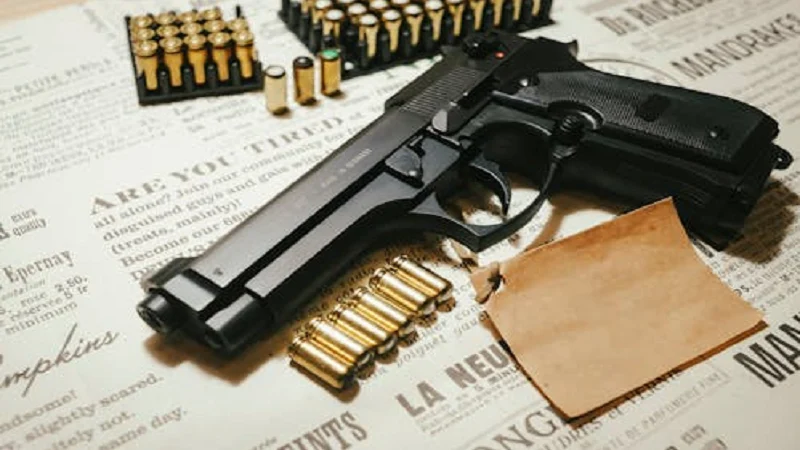
A methodical approach begins with identifying the exact revolver component by make, model, and part number. Sources range from OEM and new‑old‑stock suppliers to gunsmiths, estate sales, and specialized online marketplaces; niche forums often provide schematics and leads. Each option requires verification of fit, provenance, and condition before purchase. Practical steps follow to locate, authenticate, and safely install rare parts. Hard to find revolver parts require specialized sourcing and expertise to locate rare, discontinued, or vintage components for proper firearm restoration and maintenance
Identify the Exact Revolver Part You Need
How does one determine the exact revolver part required? A technician documents make, model, caliber, and serial-number variants, then disassembles the firearm to visually confirm the component and any wear patterns. Precise measurements length, diameter, notch geometry, and material hardness are recorded with calipers and a hardness tester. Photographs with scale and exploded-diagram references support revolver part identification.
Cross reference manufacturer parts lists and archived schematics to avoid mismatches. Note sourcing challenges early: obsolete finishes, dimensional revisions, and interchangeability caveats. Compile a parts specification sheet to guide procurement, ensuring compatibility without assuming generic substitution.
Buy OEM & New Old Stock Revolver Parts
Acquire OEM and new‑old‑stock (NOS) revolver parts by prioritizing provenance, dimensional fidelity, and documented authenticity: technicians should request factory part numbers, original packaging photos, and any manufacturer certificates before purchase. Verify critical dimensions against the parts specification sheet, and confirm metallurgy and finish match through supplier documentation or independent testing when available.
Use OEM benefits as justification for higher cost when interchangeability, warranty alignment, and material traceability matter. For NOS sourcing, evaluate seller reputation, storage conditions, and lot consistency; obtain serial range compatibility confirmation and return policy. Log all documentation and incorporate parts into maintenance records.
Find Used/Salvage Revolver Parts (Gunsmiths, Estates, Pawnshops)
Many gunsmiths and estate liquidators routinely source used or salvage revolver parts from dismantled firearms, trade-ins, and pawnshop inventories to supply restorations and repairs. They catalog components, assess wear, and grade serviceability against manufacturer tolerances before reuse.
Coordinated gunsmith networks share schematic references, donor lists, and calibrated measurements to match cylinder throats, crane fits, and timing surfaces. Estate sales and salvage shops yield batches of frames, cylinders, and internal parts requiring dimensional inspection, heat-treatment checks, and surface refurbishing.
Pawnshops provide intermittent finds; transactions prioritize clear provenance and legal compliance. Salvage integration reduces fabrication needs while preserving originality in period restorations.
Best Online Marketplaces & Forums for Rare Revolver Parts
When sourcing rare revolver parts online, collectors and gunsmiths rely on a narrow set of marketplaces and specialist forums that combine verified listings, detailed part descriptions, and active expert communities. Recommended platforms include veteran firearms auction sites, classified networks with seller ratings, and niche forums hosting schematic libraries and restoration threads.
Search filters for model, caliber, and serial-range accelerate identification of parts for antique revolvers. Forum subgroups document compatibility, machining tolerances, and sources for obsolete fasteners. Transaction best practices emphasize documented communication, clear photographic evidence, and shipping escrow where available. Active community moderation and archived technical threads increase reliability for custom modifications and restorations.
Verify Authenticity & Condition Before Buying
After locating a potential seller on a reputable marketplace or forum, the buyer must systematically verify both authenticity and functional condition before committing to purchase. The process begins with documented provenance: serial numbers, manufacturer marks, and clear photographs compared against reference sources. Authentication methods include metallurgical markings, proof stamps, and pattern matching to factory schematics.
Condition assessment requires high-resolution imagery of wear areas, bore, timing surfaces, and mating interfaces, plus explicit notes on repairs or modifications. Requesting measured tolerances, torque history, and test-fit reports reduces risk. If uncertainty persists, consignment to a qualified gunsmith or third-party authenticator is recommended prior to payment.
Legal, Safety & Installation Tips
Because revolver components often fall under varying jurisdictions and present inherent hazards if improperly handled, buyers should first confirm legal permissibility and safety prerequisites before purchase or installation. The author recommends consulting applicable legal regulations, documenting serial numbers, and verifying transfer requirements. Follow manufacturer installation procedures, using calibrated tools and torque specifications.
Employ personal protective equipment and safe workspace protocols to meet recognized safety standards. Function-check procedures must be performed with inert dummy rounds; live-fire testing follows only after inspection by a qualified gunsmith. Maintain records of parts provenance, installation steps, and inspections to demonstrate compliance and traceability. See More